Diabetes is one of the most prevalent health conditions in the world today, affecting millions of
individuals. With a wide range of foods being scrutinized for their impact on blood sugar levels, many
people with diabetes wonder about the suitability of certain foods, especially natural sweeteners like
dates. While dates are often regarded as a healthy snack, their sugar content raises questions about
their impact on blood glucose levels. This blog will explore whether dates are safe to eat for people
with diabetes, how they affect blood sugar, and how to incorporate them into a diabetic-friendly diet.
The Nutritional Profile of Dates
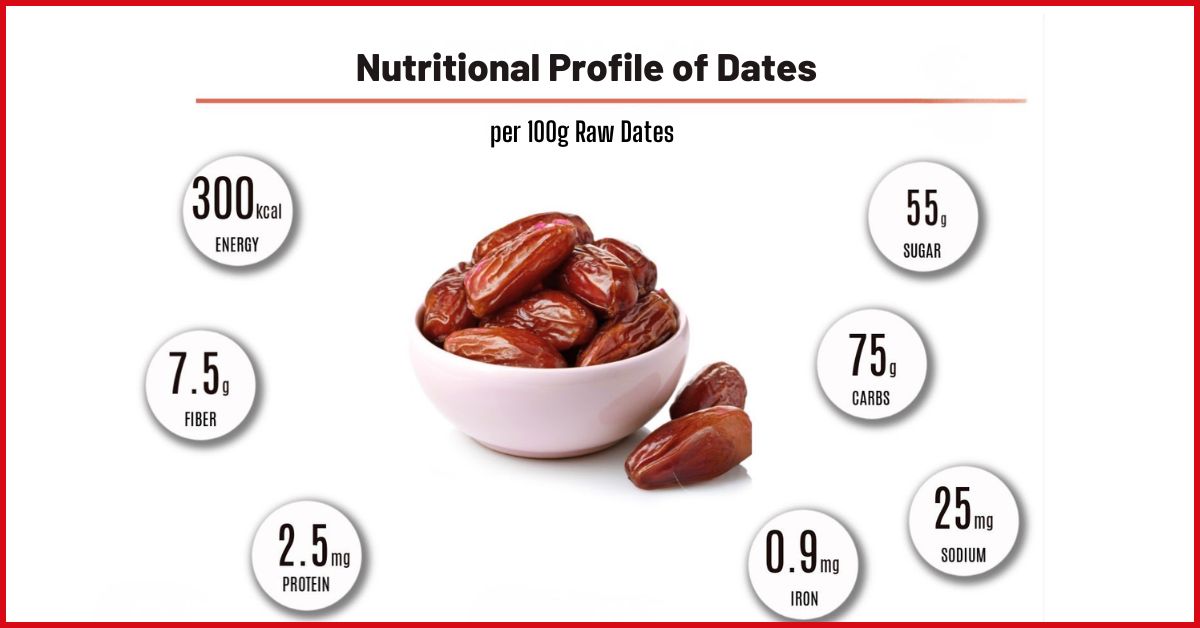
Dates are natural fruits that are rich in essential nutrients, offering a high
concentration of fiber, vitamins, and minerals. They are especially known for their high
sugar content, primarily in the form of glucose, fructose, and sucrose. Dates are a
great source of potassium, magnesium, copper, and vitamin B6. One of the most notable
benefits of dates is their fiber content, which can help regulate digestion and improve
heart health. While dates are nutritious, their high sugar content means they can have
an impact on blood sugar levels, making it important for diabetics to manage their
consumption.
Blood Sugar and Glycemic Index
The glycemic index (GI) is a measure of how quickly a food raises blood sugar levels after
consumption. Foods with a high GI cause rapid spikes in blood sugar, while those with a low GI
have a slower, more controlled effect. Dates have a moderate to high GI, ranging from 40 to 55,
depending on the variety. This means they can cause a gradual increase in blood sugar levels,
though not as quickly as refined sugars. For someone with diabetes, this can potentially lead to
elevated glucose levels, especially if consumed in large quantities.
For people managing diabetes, the key is moderation. A small serving of dates, when eaten in
conjunction with foods that have a low GI, may not significantly impact blood sugar. It’s
crucial to pair dates with fiber, protein, or healthy fats to slow the absorption of sugars into
the bloodstream.
How Do Dates Affect Insulin Sensitivity?
Insulin sensitivity refers to how effectively the body responds to insulin, the hormone that
regulates blood sugar. People with diabetes often struggle with insulin resistance, where their
bodies do not respond properly to insulin, leading to higher blood glucose levels. Dates,
despite their sugar content, may offer some benefits when it comes to insulin sensitivity. The
fiber in dates helps slow down the digestive process, which can lead to a slower rise in blood
sugar levels, potentially reducing insulin spikes after meals.
Moreover, dates are rich in antioxidants, which can help reduce inflammation and improve overall
metabolic function. While dates themselves do not directly improve insulin sensitivity, their
antioxidant properties may contribute to better overall health and metabolic control.
Portion Control: The Key to Including Dates in a Diabetic Diet
Portion control is a critical factor when incorporating dates into a diabetic diet. While they
offer several health benefits, eating them in large amounts can lead to spikes in blood sugar. A
small serving, such as one or two dates, can be a satisfying snack without causing significant
blood sugar fluctuations.
When managing diabetes, it is essential to focus on a balanced diet, and this includes keeping
an eye on the carbohydrate intake from natural sources like dates. Consuming them alongside
protein-rich or fiber-packed foods can help balance their sugar impact. For example, you can
pair a date with a handful of nuts or a small serving of yogurt to improve the meal's
nutritional value and reduce the glycemic load.
When Should You Avoid Dates in Diabetes?
While dates can be part of a healthy diet for people with diabetes, there are
circumstances when they should be avoided. If you have trouble controlling your blood
sugar levels, it may be best to limit the intake of high-GI foods like dates.
Additionally, if you are undergoing treatment or taking medications that affect insulin
levels, it's important to consult with your healthcare provider before including dates
in your diet regularly.
For diabetics who are experiencing blood sugar fluctuations or those struggling with
weight management, it’s best to opt for foods with lower glycemic values and better
blood sugar control. A registered dietitian in
Mumbai or a diabetologist in
Mumbai can help you determine the right portion sizes and frequency of dates in
your diet, ensuring that your blood glucose levels remain stable.
Dates as a Substitute for Other Sweets
One of the benefits of dates is that they can serve as a healthier alternative to refined sugars
and candies. Unlike refined sugars, which provide little nutritional value, dates are packed
with nutrients that can support your overall health. If you're craving something sweet, a date
might be a better option for satisfying that urge without significantly impacting your blood
sugar. However, moderation is key, as even natural sugars in dates can raise glucose levels when
consumed excessively.
If you are looking to substitute refined sugar in baked goods, smoothies, or desserts, dates can
be a natural alternative. They provide not only sweetness but also fiber, which can aid in
digestion. When used in moderation, dates can offer a healthier option compared to sugary
alternatives.
Consultation for Diabetes Care
Mumbai is renowned as a medical hub, attracting patients from across India and South Asia for
its world-class healthcare facilities. The Bombay Hospital and Medical Research Centre, located
in South Mumbai, is one such institution offering specialized care for diabetic patients.
Established in 1952, Bombay Hospital is known for its exceptional services in various fields,
including Cardiology, Endocrinology,
and Diabetology. If you're seeking expert advice on managing your diabetes and understanding
how foods like dates affect your health, you can visit the Diabetology department at Bombay
Hospital for personalized care.
You can book an appointment by contacting the hospital
Frequently Asked Questions
Yes, dates can be eaten in moderation by people with diabetes. They have a moderate
glycemic index and can be part of a balanced diet when consumed in small portions.
It is recommended to consume no more than 1-2 dates per day, especially if you're
managing your blood sugar levels. Pairing them with protein or fiber can help control
their impact on glucose levels.
Dates are not known to lower blood sugar levels directly, but their fiber and
antioxidant content can help manage blood sugar by slowing the digestion process.
Dates have a moderate to high glycemic index, ranging from 40 to 55, depending on the
variety. It's important to control portions to avoid spikes in blood sugar.
Yes, dates are a good source of potassium and magnesium, which can help improve heart
health. They also contain antioxidants that can reduce inflammation and promote
cardiovascular health.
Conclusion
In conclusion, while dates can be part of a healthy diet for diabetics, portion control is
essential. The high sugar content in dates can cause a rise in blood sugar levels if not eaten in
moderation. By understanding how dates affect blood glucose and managing their intake with other
low-GI foods, you can enjoy them without compromising your health. As always, it’s best to consult
with a Diabetologist in Mumbai for personalized advice on incorporating dates into your diet and
managing your diabetes effectively.