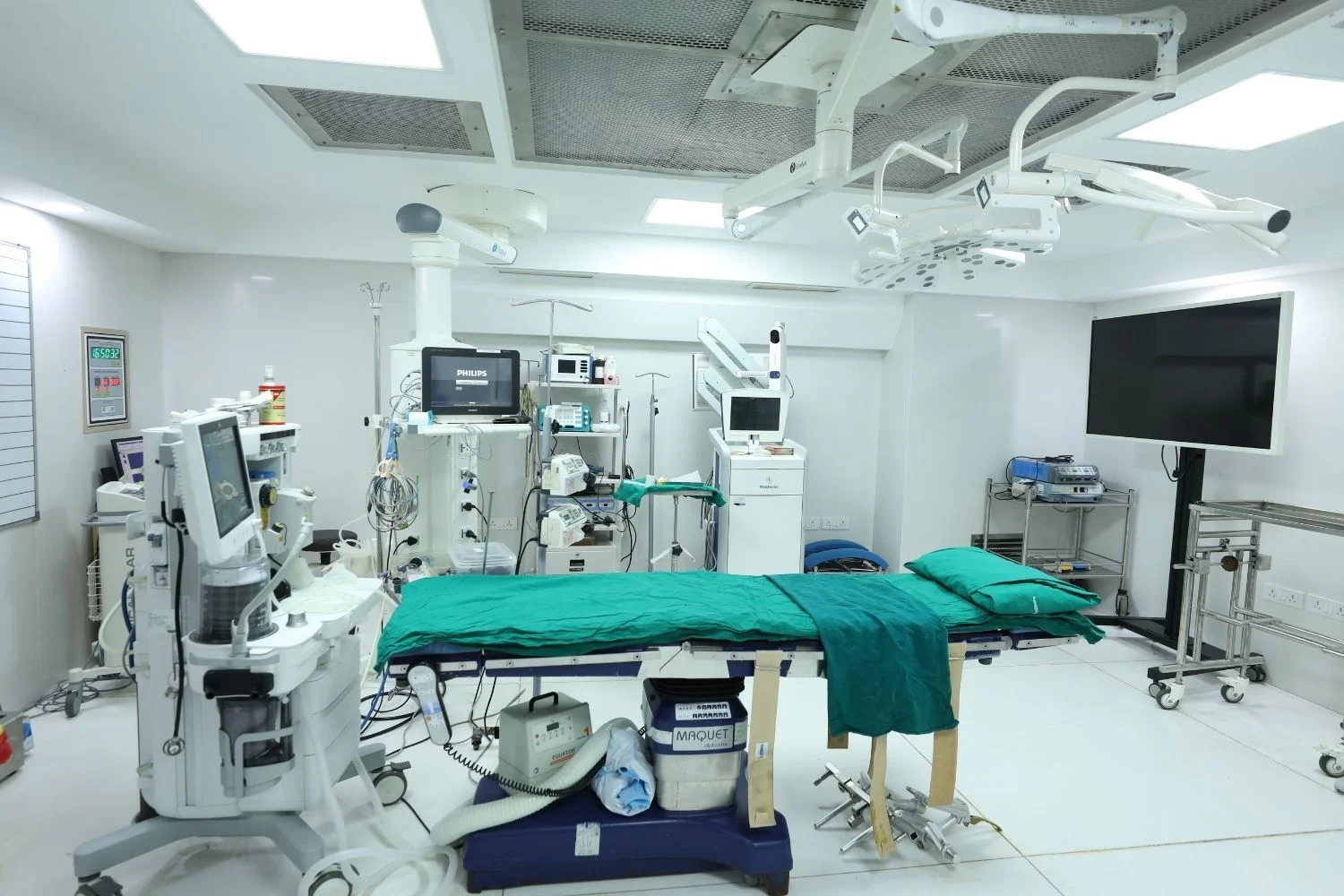
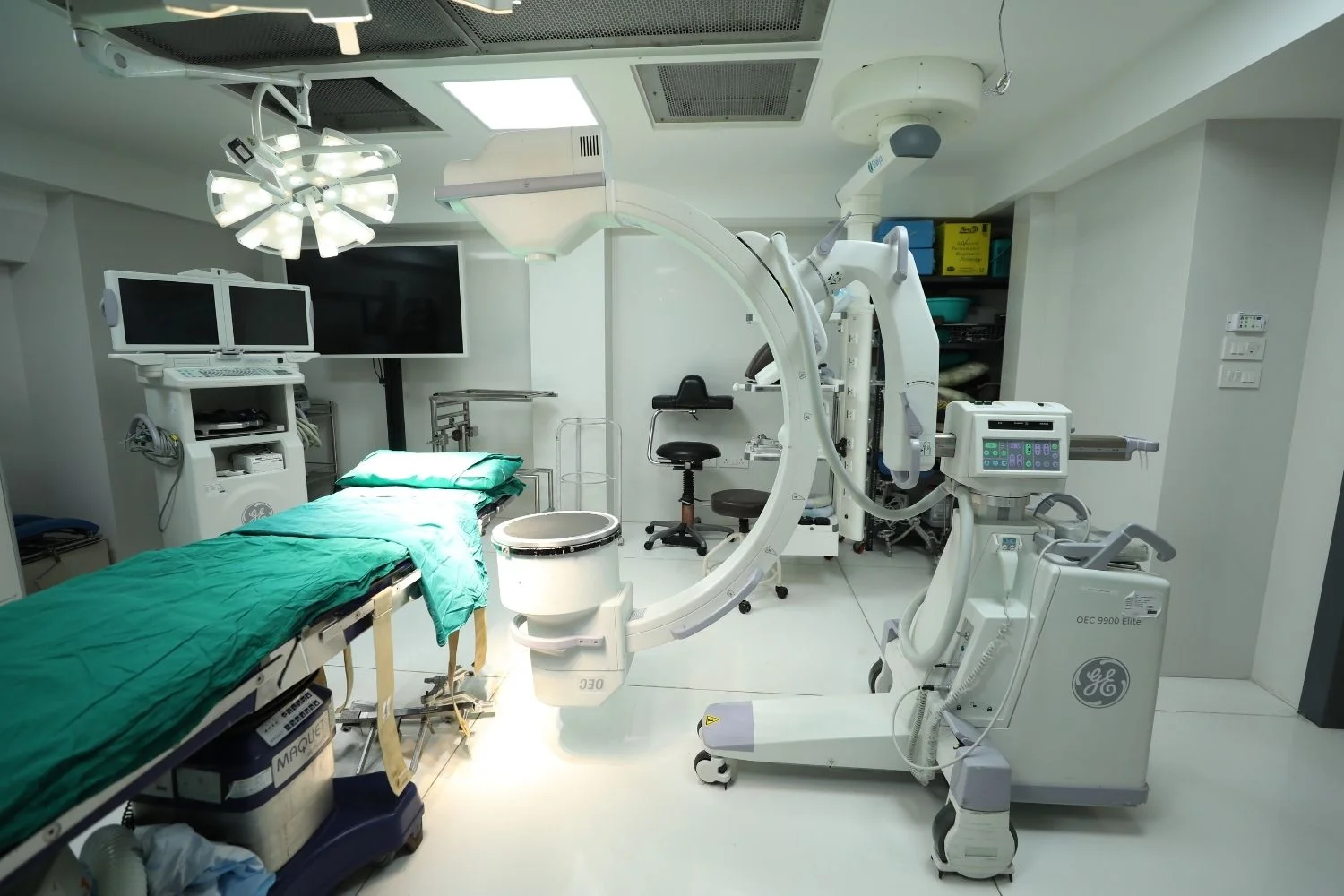
Neurosurgery was started at the Bombay Hospital shortly after the hospital was inaugurated in 1952. Professor Ginde was a pioneer neurosurgeon, who founded the Department at this Institute from the very beginning.
The Department of Neurosurgery at the Bombay Hospital has kept pace with improvements in the field, be they technical or conceptual. The whole range of neurosurgical and spinal procedures are performed at the Bombay Hospital.
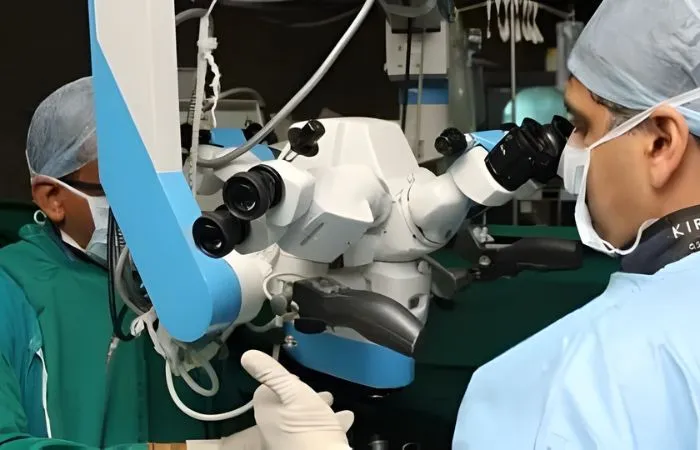
The Neurosurgery Department at Bombay Hospital is renowned for minimally invasive techniques that allow for precise and effective surgeries with minimal recovery times. These techniques, such as microneurosurgery, use advanced operating microscopes and Image Guided Navigation Systems. With sub-millimetre accuracy, surgeons can target areas of the brain or spine that would otherwise be difficult to reach.
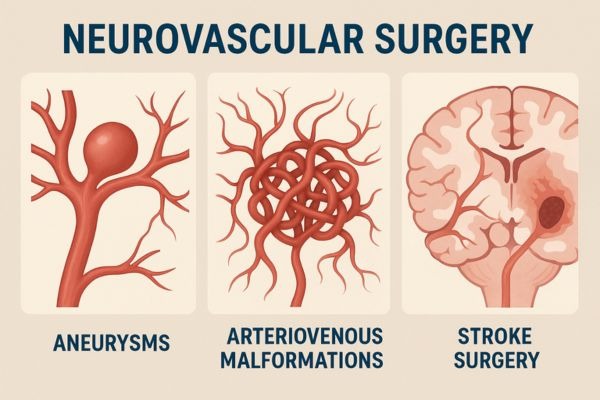
Neurovascular surgery focuses on treating conditions involving the blood vessels of the brain and spine. From aneurysms to stroke-related surgeries, our team provides timely and effective care. Many of these surgeries are performed in emergency settings, utilizing advanced tools like Indocyanine Green Angiography and Intraoperative Digital Subtraction Angiography (DSA). These technologies provide real-time visualization, ensuring that surgeries are performed with the utmost precision.
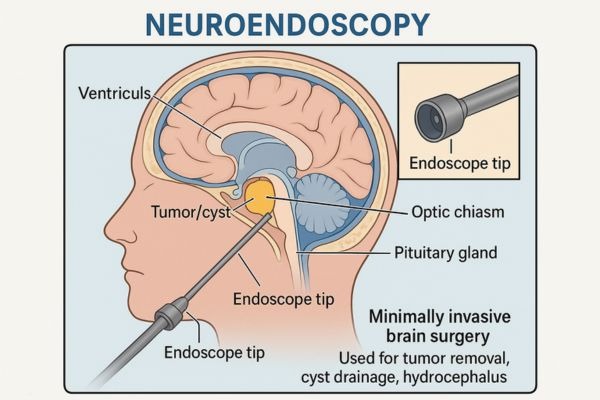
Neuroendoscopy has become a key part of modern neurosurgery, allowing surgeons to perform delicate procedures with minimal disruption to the brain and spine. For conditions like cranio-pharyngioma, endoscopic techniques provide effective solutions with no external incisions, reducing recovery time. The transnasal skull base endoscopy method allows access to the brain's base through the nose, eliminating the need for extensive craniotomies.
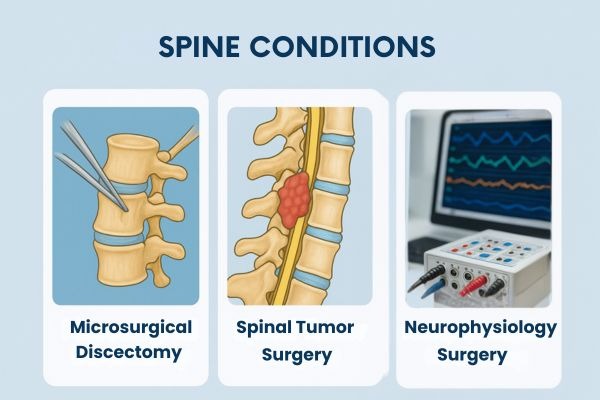
From simple lumbar discectomies to complex spinal tumor surgeries, our Neurosurgery Department handles a variety of spinal conditions. Microsurgical techniques are used for better outcomes and faster recovery. We also perform spinal fixation procedures, ensuring that the spine remains stable after surgery. Additionally, we use neurophysiological monitoring during surgeries to monitor the spinal cord and nerves, ensuring that no function is compromised.
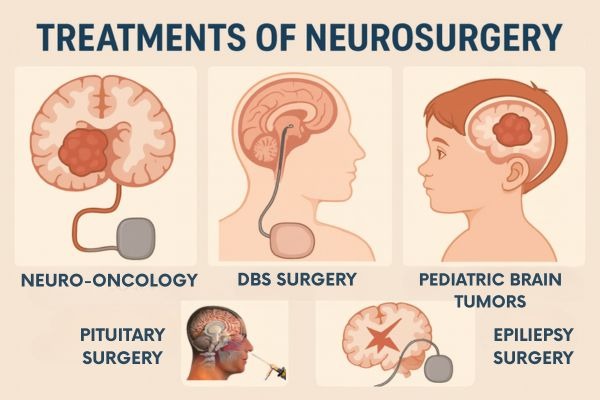
In addition to routine neurosurgery procedures, Bombay Hospital offers specialized treatments for complex neurological conditions:
Neurosurgery at Bombay Hospital involves a thorough diagnosis, precise planning, and the use of advanced surgical techniques. After an initial consultation and diagnostic imaging (like CT scans or MRIs), the surgeon will determine the most appropriate surgical approach. Depending on the condition, surgery may be minimally invasive or require more traditional methods. Our expert team monitors each step of the surgery using neurophysiological monitoring and advanced imaging systems, ensuring precision and safety.
Our Neurosurgery Department is for individuals experiencing neurological issues such as:
If you have been diagnosed with any of these conditions or if you're experiencing symptoms such as severe headaches, seizures, or difficulty with movement, consult with one of our specialists.
If you require neurosurgical care, contact Bombay Hospital today. Our experts are ready to provide the best possible treatment for your condition. Call us or fill out our online appointment form to schedule your consultation.
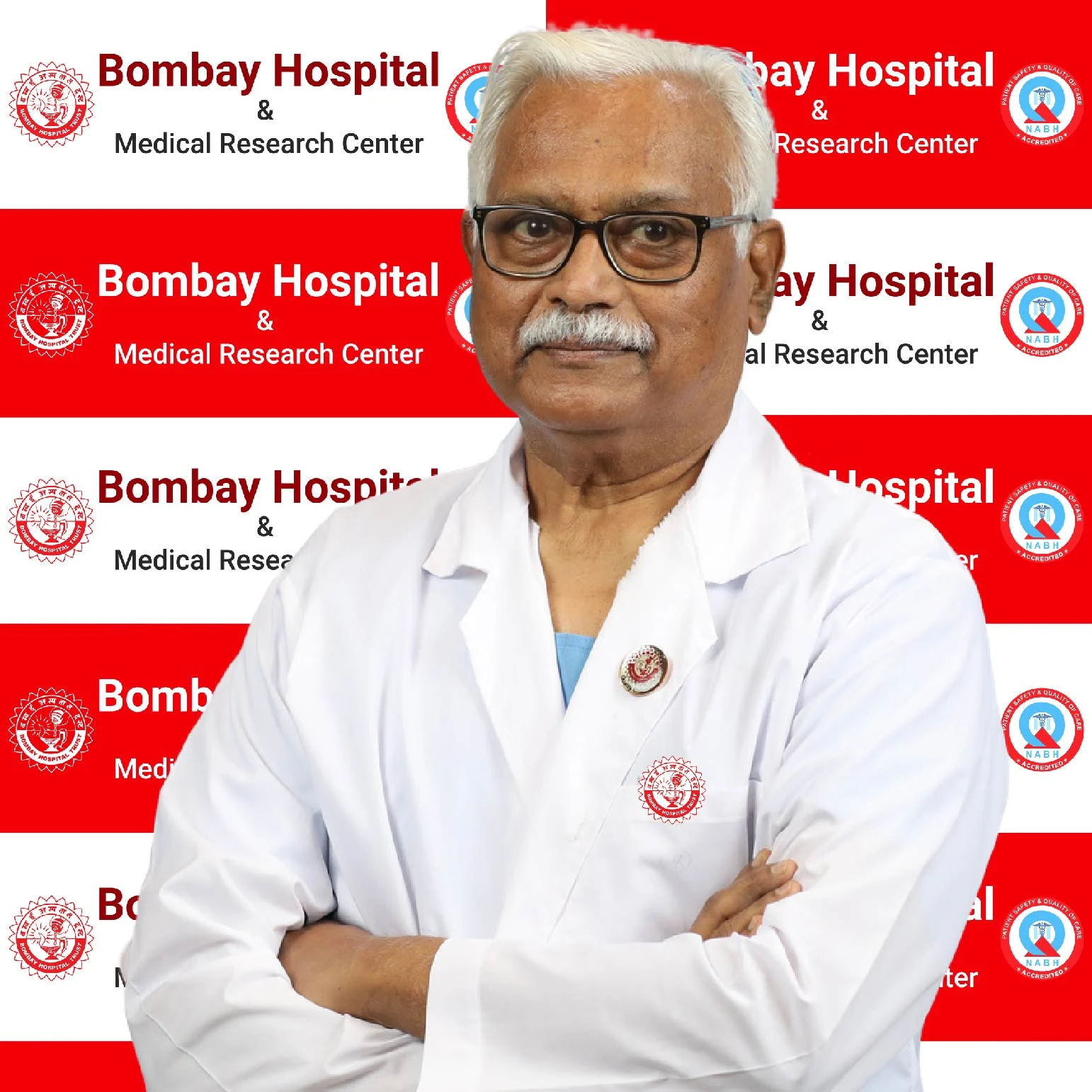
MS, M.Ch.(Neurosurgery),F.R.C.S (Surgical Neurology)
Neuro Surgeon