Eye pressure, also known as intraocular pressure (IOP), refers to the force exerted by the fluid inside your eye against the walls of the eye. It is a key factor in maintaining the shape of the eye and its proper function. Understanding eye pressure and its impact is crucial for overall eye health. Elevated eye pressure can lead to serious conditions such as glaucoma, which is one of the leading causes of blindness worldwide. An ophthalmologist in Mumbai can provide expert care and diagnosis when it comes to monitoring and managing eye pressure. This blog will explain what eye pressure is, its causes, symptoms, diagnosis, and treatment options, and why monitoring eye pressure is important.
What Is Eye Pressure?
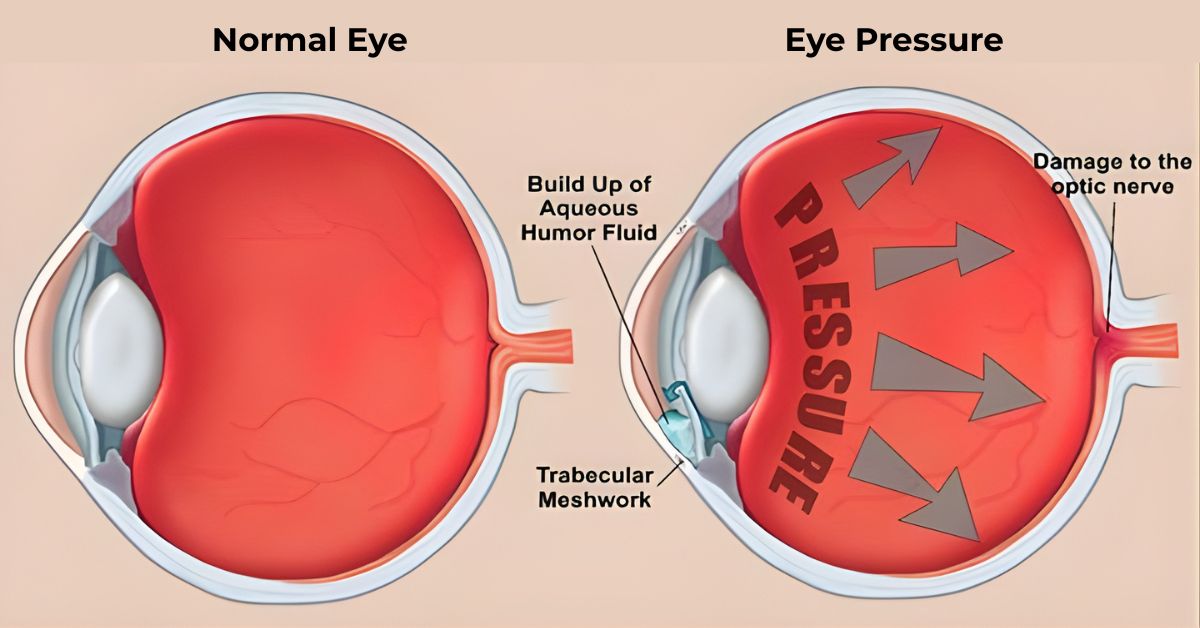
Eye pressure is the fluid pressure inside your eye, created by the balance between the production and drainage of the aqueous humor, the fluid that fills the space between the lens and cornea. This pressure helps maintain the shape of your eye and ensures its normal functioning. Normally, eye pressure is measured in millimeters of mercury (mmHg), with a healthy range being between 10 and 21 mmHg. If the pressure inside the eye rises too high, it can damage the optic nerve, leading to permanent vision loss. An ophthalmology department can provide advanced testing and treatment options to assess and manage eye pressure levels.
Causes of High Eye Pressure (Ocular Hypertension)
High eye pressure, or ocular hypertension, occurs when there is an imbalance between the production and drainage of the aqueous humor. The common causes include:
- Overproduction of Aqueous Humor: This occurs when the fluid is produced faster than it can drain, leading to increased pressure.
- Poor Drainage of Fluid: The drainage channels in the eye, particularly the trabecular meshwork, may become clogged or dysfunctional, preventing the fluid from draining properly.
- Genetics: Family history can play a significant role in determining the likelihood of elevated eye pressure.
- Age: Older individuals tend to have a higher risk of developing ocular hypertension due to natural changes in eye structure.
- Eye Injury: Trauma to the eye can cause fluid buildup and increased eye pressure.
- Medications: Some medications, such as steroids, can increase eye pressure.
Symptoms of Eye Pressure
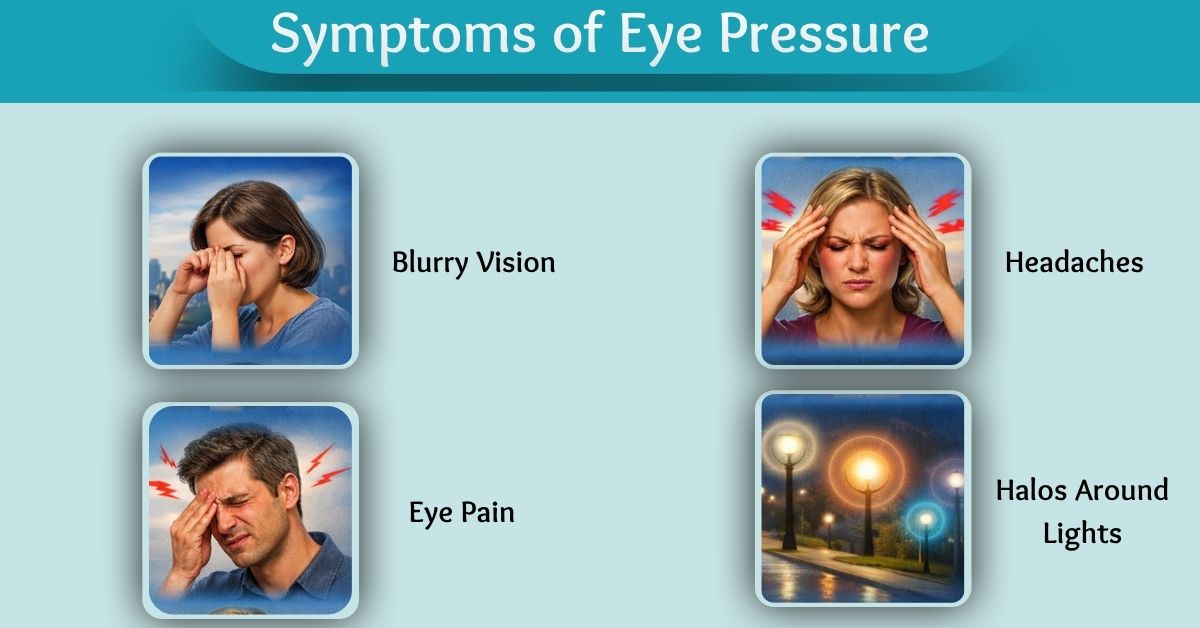
High eye pressure itself does not usually cause noticeable symptoms, which is why it's often referred to as a "silent" condition. However, over time, elevated eye pressure can lead to vision problems, such as:
- Blurry Vision: Difficulty seeing clearly, particularly in low-light conditions.
- Eye Pain: Some individuals with high eye pressure may experience discomfort or a feeling of fullness in the eye.
- Headaches: Persistent headaches, particularly around the eyes or forehead, could indicate increased pressure.
- Halos Around Lights: This is a sign of acute high pressure and may indicate the presence of glaucoma.
Regular eye checkups are crucial for detecting high eye pressure before it leads to permanent damage.
Diagnosis & Testing
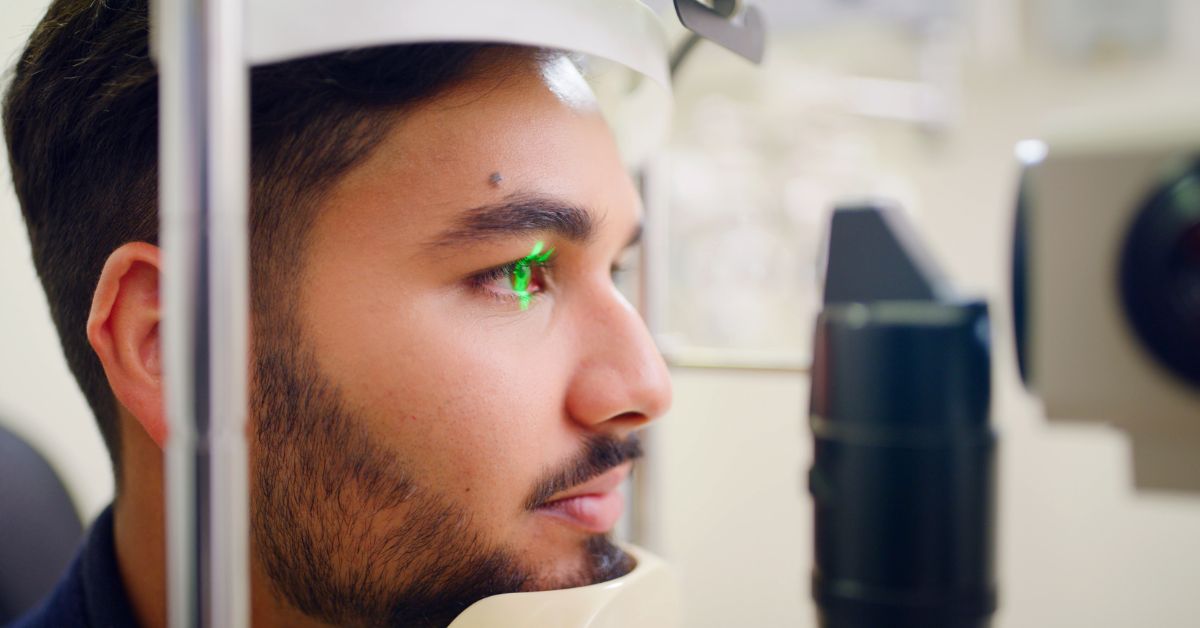
To diagnose high eye pressure, an eye doctor will measure the intraocular pressure using a tonometer, a device that provides a pressure reading. A few common methods include:
- Non-contact Tonometry (Air Puff Test): This method uses a puff of air to measure the eye's resistance and determine pressure.
- Goldmann Applanation Tonometry: A more accurate method where a small probe is gently placed on the cornea to measure the pressure.
- Ocular Coherence Tomography (OCT): This imaging test helps assess the health of the optic nerve and retina, often used to detect glaucoma.
Additional tests may include visual field tests and optic nerve imaging to evaluate the health of the optic nerve and check for any early signs of damage.
Treatment Options & Best Practices
If high eye pressure is diagnosed, there are several treatment options available to reduce the pressure and prevent damage to the optic nerve. Treatment depends on the severity of the condition and the underlying cause.
Common Treatments:
- Prescription Eye Drops: The most common treatment for lowering eye pressure. These drops can either reduce the production of aqueous humor or improve its drainage.
- Oral Medications: In some cases, oral medications such as carbonic anhydrase inhibitors may be prescribed to help lower pressure.
- Laser Treatment: Laser therapy can be used to improve the drainage of fluid in the eye. Procedures like selective laser trabeculoplasty (SLT) help treat ocular hypertension and reduce the risk of glaucoma.
- Surgery: If other treatments are ineffective, surgical options such as trabeculectomy (removal of part of the trabecular meshwork) may be considered to create a new drainage pathway.
Self-Care & Lifestyle Tips:
- Exercise Regularly: Physical activity can help maintain healthy eye pressure.
- Avoid Smoking: Smoking can increase the risk of developing eye conditions, including elevated eye pressure.
- Maintain a Healthy Diet: A diet rich in antioxidants, vitamins A, C, and E, as well as omega-3 fatty acids, can help support overall eye health.
- Monitor Caffeine Intake: Excessive caffeine can increase eye pressure, so it is advisable to limit its consumption.
- Regular Eye Exams: Routine eye exams are the best way to monitor eye pressure and detect any changes early.
Risk Factors and Prevention
Certain factors increase the risk of developing high eye pressure, including:
- Family history of glaucoma: Those with a family history are at higher risk.
- Age: People over 40, especially those over 60, are more likely to develop elevated eye pressure.
- Ethnicity: African Americans, Hispanics, and Asians are at higher risk for glaucoma.
- Health Conditions: Conditions like diabetes, high blood pressure, and sleep apnea can increase the risk of ocular hypertension.
While ocular hypertension cannot always be prevented, understanding risk factors and maintaining regular eye exams can help detect problems early, allowing for prompt treatment and reducing the risk of severe complications.
Role of Eye Pressure in Glaucoma
Glaucoma is a group of eye conditions that cause damage to the optic nerve, often due to high eye pressure. It is one of the leading causes of blindness in adults. While high eye pressure is a significant risk factor, not everyone with elevated eye pressure develops glaucoma. However, it is essential to treat ocular hypertension to prevent potential nerve damage and vision loss. Regular monitoring by an eye doctor is key to managing the condition and maintaining eye health.
Consultation
Mumbai, the center for quality medical care not only across India but also South Asia, is home to the renowned Bombay Hospital and Medical Research Centre. Established in 1952, this hospital continues to serve patients with the highest level of care, thanks to the philanthropy of Shri Rameshwardas Birla. Specializing in fields like cardiology, neurology, oncology, and more, the hospital offers comprehensive services across a wide range of medical specialties.
For consultations or appointments, contact Bombay Hospital.
FAQs
Normal eye pressure ranges from 10 to 21 mmHg. Anything above this can be a sign of ocular hypertension.
While high eye pressure doesn't always cause pain, some people may experience discomfort or a heavy feeling in their eyes.
Eye pressure is typically tested using a tonometer during a routine eye exam.
Yes, regular exercise, a healthy diet, and avoiding smoking can help manage and lower eye pressure.
No, ocular hypertension refers to high eye pressure, while glaucoma is a condition that can result from high eye pressure and lead to optic nerve damage.
Conclusion
Eye pressure is an essential aspect of eye health that can impact your vision if not monitored and managed correctly. While high eye pressure alone may not cause noticeable symptoms, it can lead to serious conditions such as glaucoma if left untreated. Regular eye exams, proper treatment, and healthy lifestyle choices are critical for maintaining optimal eye pressure and preventing vision loss. If you suspect any issues with your eye pressure, it's crucial to seek professional medical advice and treatment.