Introduction
Hashimoto’s thyroiditis is a common autoimmune disorder that affects the thyroid gland, causing inflammation and, over time, leading to hypothyroidism. The thyroid is an essential gland in the body that regulates metabolism, energy production, and many other crucial functions. As one of the most prevalent thyroid disorders, Hashimoto's thyroiditis demands attention, especially in women over the age of 60. Seeking the help of an endocrinologist in Mumbai can be a crucial step in managing and diagnosing the condition effectively. This condition, often undiagnosed for years, can significantly impact a person’s well-being. This blog will cover the symptoms, causes, diagnosis, and treatment options for Hashimoto's thyroiditis, offering valuable insights for those affected by this condition.
In this article, we will explore:
- The symptoms of Hashimoto’s thyroiditis.
- The causes and risk factors associated with the condition.
- How it is diagnosed.
- Treatment options available for managing Hashimoto’s thyroiditis.
What is Hashimoto’s Thyroiditis?
Hashimoto's thyroiditis, named after the Japanese physician Dr. Hakaru Hashimoto who first described the disease in 1912, is an autoimmune condition where the immune system mistakenly attacks the thyroid gland. This leads to inflammation, which impairs the thyroid’s ability to produce thyroid hormones, resulting in hypothyroidism. Thyroid hormones are critical for regulating many bodily functions, including metabolism, temperature control, and energy levels.
In Hashimoto’s thyroiditis, the immune system produces antibodies that target the thyroid gland, ultimately causing its slow destruction. Over time, the thyroid becomes less capable of producing enough hormones, leading to an underactive thyroid and a range of symptoms that can affect every aspect of life. Consulting an endocrinologist in Mumbai can help you understand and manage the condition by evaluating hormone levels and offering an effective treatment plan tailored to your needs.
Symptoms of Hashimoto’s Thyroiditis
The symptoms of Hashimoto’s thyroiditis can be gradual and may mimic other health conditions, making it challenging to diagnose. Below are some of the most common symptoms to watch out for:
- Fatigue and Weakness: One of the most common symptoms is persistent fatigue. As the thyroid becomes underactive, the body’s metabolism slows down, causing exhaustion even after a full night's sleep.
- Weight Gain: Hypothyroidism can lead to unexplained weight gain. This happens because the thyroid is unable to regulate metabolism properly, causing weight to accumulate even when eating habits remain the same.
- Dry Skin and Hair: Reduced thyroid hormone levels can make your skin dry, pale, and itchy. Similarly, your hair may become brittle and thin.
- Cold Sensitivity: People with Hashimoto's thyroiditis often experience an intolerance to cold temperatures. Even when others feel comfortable, they may feel excessively cold due to a slower metabolism.
- Constipation: Another common symptom of hypothyroidism is constipation. Thyroid hormones help regulate digestive processes, and a deficiency can slow them down, causing digestive issues.
- Muscle and Joint Pain: Muscle weakness, stiffness, and joint pain are frequent symptoms of Hashimoto’s thyroiditis. This discomfort can affect your ability to perform routine tasks.
- Depression and Mood Swings: The thyroid's role in regulating mood is crucial. When the thyroid doesn't function correctly, it can lead to feelings of depression, sadness, and even anxiety.
- Memory Issues and Brain Fog: Many people with Hashimoto’s thyroiditis report feeling foggy, forgetful, or mentally sluggish. This is due to the decreased thyroid hormone levels affecting cognitive function.
Causes and Risk Factors of Hashimoto’s Thyroiditis
Hashimoto’s thyroiditis is an autoimmune disease, meaning the body’s immune system mistakenly attacks its own tissues. The exact cause of this immune response is unknown, but several factors may contribute to the development of the disease:
- Genetics: A family history of autoimmune diseases or thyroid disorders increases the risk of developing Hashimoto’s thyroiditis.
- Gender and Age: Women, especially those over the age of 60, are more likely to develop this condition. Hormonal factors may play a role in the increased prevalence among women.
- Pregnancy: Women who have recently given birth may experience a temporary form of thyroiditis known as postpartum thyroiditis, which may increase the risk of Hashimoto’s thyroiditis.
- Iodine Deficiency: A lack of iodine in the diet can contribute to thyroid problems, although this is less common in developed countries where iodine is added to salt.
Diagnosis of Hashimoto’s Thyroiditis
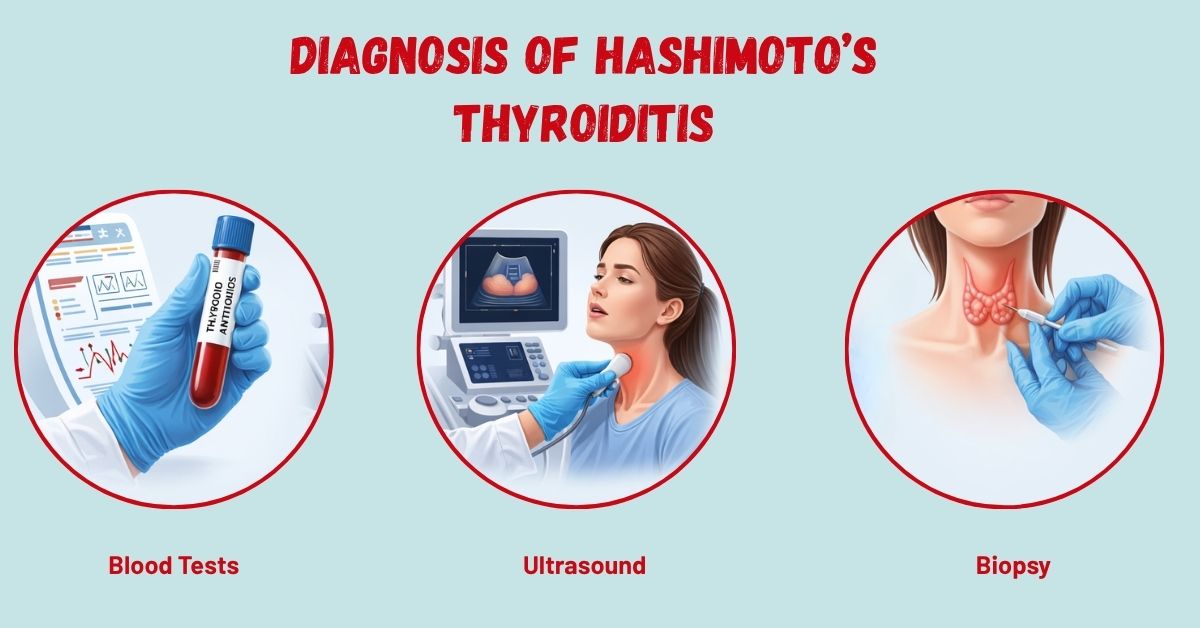
Diagnosing Hashimoto’s thyroiditis often involves a combination of physical exams, blood tests, and sometimes imaging tests. An endocrinologist in Mumbai will assess your symptoms and conduct the following tests:
- Blood Tests: The most common test for diagnosing Hashimoto’s thyroiditis is measuring the levels of thyroid-stimulating hormone (TSH) and thyroxine (T4). High TSH and low T4 levels indicate an underactive thyroid. Additionally, tests for thyroid antibodies, such as anti-thyroid peroxidase (TPO) antibodies, can confirm the diagnosis of Hashimoto's thyroiditis.
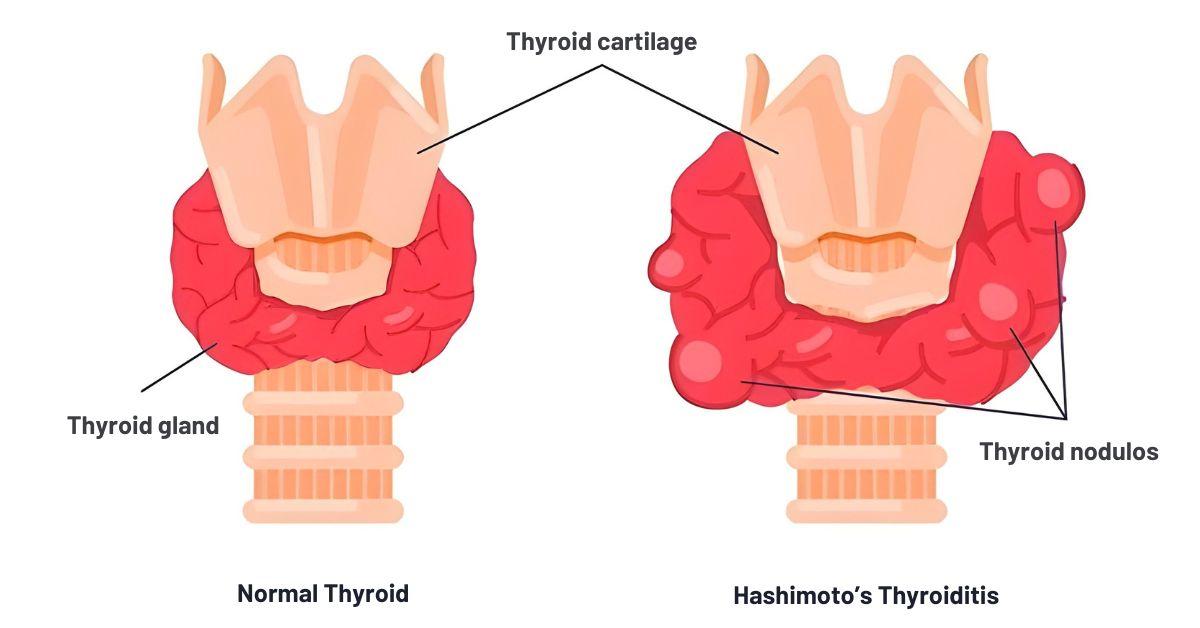
- Ultrasound: In some cases, a thyroid ultrasound may be conducted to check for swelling or nodules on the thyroid gland.
- Biopsy: In rare cases, a biopsy may be needed to rule out other conditions or confirm the diagnosis.
Treatment of Hashimoto’s Thyroiditis
While there is no cure for Hashimoto's thyroiditis, the condition can be effectively managed with treatment. The main goal of treatment is to normalize thyroid hormone levels and alleviate symptoms. Some common treatment options include:
- Thyroid Hormone Replacement: The most common treatment for Hashimoto’s thyroiditis is synthetic thyroid hormone replacement therapy. Levothyroxine is the medication most frequently prescribed to normalize hormone levels. It is taken orally and helps replace the hormone that the thyroid is no longer producing.
- Diet and Lifestyle Adjustments: While thyroid hormone replacement is the primary treatment, some patients find relief by adopting a healthy diet and lifestyle. Eating a balanced diet rich in fruits, vegetables, and lean proteins can support overall health. Regular exercise can help combat weight gain and fatigue.
- Regular Monitoring: Regular follow-ups with your endocrinologist are essential to monitor thyroid levels and adjust medication doses accordingly. Over or under-medication can cause additional health issues.
- Surgery: In very rare cases, if the thyroid becomes significantly enlarged or develops nodules that cause discomfort or difficulty breathing, surgery may be necessary to remove part or all of the thyroid gland.
FAQ Section
No, there is currently no cure for Hashimoto’s thyroiditis. However, the condition can be managed effectively with medication and regular monitoring.
Yes, most people with Hashimoto’s thyroiditis can live a normal life with appropriate treatment, including thyroid hormone replacement therapy and lifestyle adjustments.
While stress does not directly cause Hashimoto’s thyroiditis, it can exacerbate the symptoms. Managing stress through relaxation techniques can help improve quality of life.
Yes, Hashimoto’s thyroiditis can run in families, and having a family member with an autoimmune disease increases the likelihood of developing it.
Follow-up visits typically occur every 6-12 months, depending on your treatment plan. However, more frequent visits may be necessary if symptoms change or if medication adjustments are needed.
Consultation at Bombay Hospital, Mumbai
For those in Mumbai seeking specialized care for Hashimoto's thyroiditis, the Bombay Hospital and Medical Research Centre offers expert diagnosis and treatment. Located in South Mumbai, Bombay Hospital has a long-standing reputation for providing world-class medical services. Their Endocrinology Department specializes in thyroid disorders, offering a range of treatments tailored to your needs. The hospital has a rich medical history and a team of experienced specialists dedicated to providing the highest level of care.
You can book an appointment with a leading endocrinologist in Mumbai at the Bombay Hospital.
Conclusion
Hashimoto's thyroiditis is a manageable condition with proper diagnosis and treatment. The key is early detection and ongoing management to maintain a healthy thyroid function. If you suspect you have symptoms of Hashimoto’s thyroiditis, it is crucial to consult a healthcare professional, such as an endocrinologist in Mumbai, for proper evaluation and care. With the right treatment plan, you can live a healthy and active life. Don't hesitate to reach out to the Bombay Hospital for comprehensive care and expert guidance on managing thyroid health.