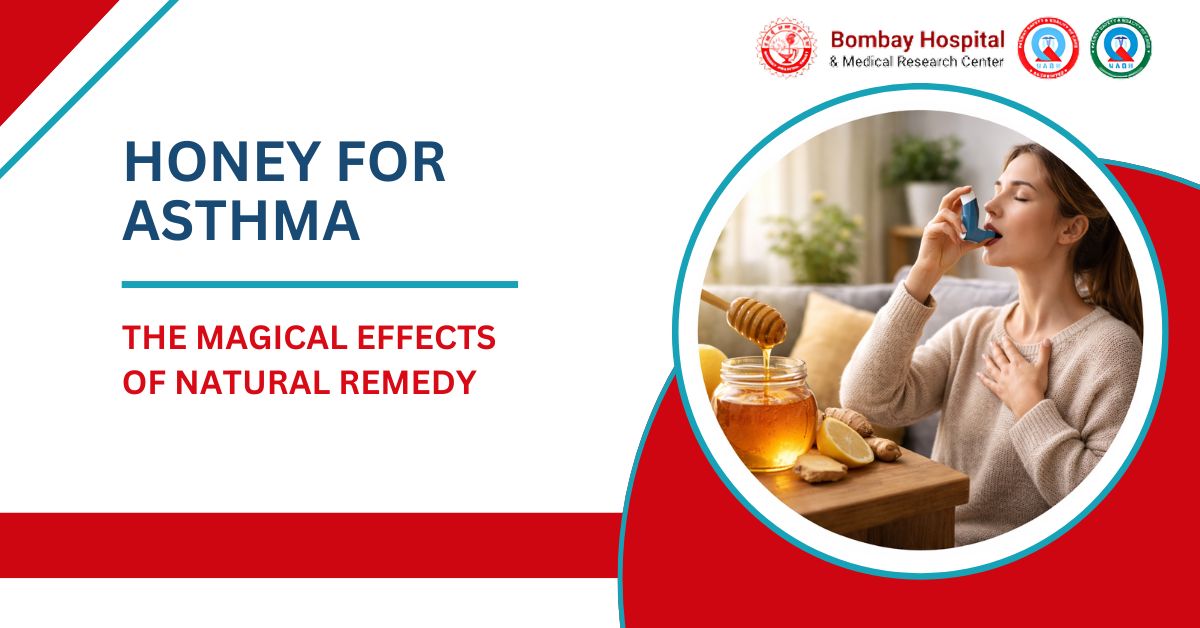
Asthma is a chronic respiratory condition that affects millions of people worldwide. With symptoms like wheezing, shortness of breath, and coughing, it can be difficult to manage. While medication and inhalers are often used to control asthma, many individuals seek natural remedies for relief. One such remedy that has gained attention is honey, known for its potential to alleviate asthma symptoms. This blog explores the magical effects of honey for asthma, its benefits, and how it may serve as an adjunctive treatment for asthma sufferers.
In the Pulmonology department of leading medical institutions like the Bombay Hospital, asthma is frequently managed with advanced treatments. However, natural remedies like honey can also play a role in reducing symptoms. This blog will delve into how honey can support asthma management, the science behind its benefits, and practical tips for incorporating honey into your daily routine.
Honey’s Anti-inflammatory Properties
Inflammation plays a major role in asthma. When the airways become inflamed, it leads to narrowing, which restricts airflow and causes symptoms like wheezing and coughing. Honey, particularly raw honey, is known for its powerful anti-inflammatory effects. It contains antioxidants and flavonoids that can reduce inflammation in the airways, making breathing easier for individuals with asthma.
By incorporating honey into your diet, you may help reduce the severity of inflammation and prevent asthma flare-ups. Studies have shown that honey can support the immune system, which in turn can help manage the symptoms of asthma.
Honey’s Antioxidant Benefits for Respiratory Health
Honey is rich in antioxidants, such as polyphenols, which protect cells from oxidative damage. These antioxidants play a key role in reducing oxidative stress in the body, a factor often present in asthma. Oxidative stress occurs when there is an imbalance between free radicals and antioxidants, leading to inflammation and damage in the respiratory system.
By consuming honey, you can support the body's natural defense against oxidative stress. This, in turn, may improve lung function and reduce asthma symptoms. Honey's antioxidant properties can help in maintaining the integrity of the respiratory system, making it a valuable addition to an asthma management plan.
Honey as a Natural Cough Suppressant
Coughing is one of the most common and disruptive symptoms of asthma. The irritation and inflammation in the airways often trigger persistent coughing. Honey is a well-known natural cough suppressant. Its soothing and antimicrobial properties help calm the throat, providing relief from coughing fits.
A spoonful of honey, especially before bedtime, can act as a natural remedy to suppress coughing. It forms a protective layer in the throat, reducing irritation and promoting smoother breathing, which is particularly helpful for people with asthma who experience nocturnal coughing.
Honey’s Role in Boosting the Immune System
People with asthma often have a compromised immune system, which can make them more susceptible to infections and respiratory illnesses. Honey has long been revered for its ability to strengthen the immune system. It contains enzymes, vitamins, and minerals that help fight off infections and boost overall immunity.
By regularly consuming honey, you may support your immune system, helping your body defend against infections that could exacerbate asthma symptoms. This is especially beneficial during cold and flu seasons, when asthma sufferers are more prone to respiratory infections.
Honey and Its Role in Moisturizing the Airways
Dryness in the airways can exacerbate asthma symptoms, making it difficult to breathe comfortably. Honey's natural humectant properties allow it to retain moisture, which can help keep the airways hydrated. Moisture in the airways can reduce irritation, improve airflow, and provide relief from asthma-related discomfort.
Using honey as a natural moisturizer for the airways may contribute to smoother, more comfortable breathing. This can be especially useful in dry climates or during winter months when the air tends to be drier, triggering asthma symptoms.
How to Use Honey for Asthma Relief
To experience the benefits of honey for asthma, it is important to know how to incorporate it into your daily routine. Here are a few ways you can use honey for asthma relief:
- Honey and Warm Water: Add a teaspoon of honey to a glass of warm water. Drinking this mixture can help soothe the throat, reduce inflammation, and improve overall lung function.
- Honey and Ginger: Ginger is another natural remedy known for its anti-inflammatory properties. Mixing honey with fresh ginger juice can create a potent drink that reduces airway inflammation and enhances respiratory health.
- Honey and Lemon: A mixture of honey and lemon can act as a natural detoxifier, boosting the immune system and easing asthma symptoms.
FAQ About Honey and Asthma
Honey cannot cure asthma, but it may help alleviate symptoms by reducing inflammation, improving airflow, and soothing the throat. It should be used as a complementary treatment alongside prescribed medications.
A teaspoon of honey, taken daily, may provide relief from asthma symptoms. You can mix it with warm water, tea, or other natural remedies like ginger and lemon. Always consult your doctor before adding honey to your regimen, especially if you have allergies.
Raw honey contains more enzymes, antioxidants, and nutrients compared to processed honey. It is often preferred for its higher medicinal value, but both types of honey may provide benefits for asthma sufferers.
Honey is generally safe for most individuals; however, it may cause allergic reactions in some people, particularly those who are allergic to pollen. If you experience any adverse reactions, discontinue use and consult your doctor.
Honey is safe for children over one year of age. However, children under one year old should not be given honey due to the risk of botulism. Always check with your pediatrician before introducing honey to a child's diet.
Consultation at Bombay Hospital, Mumbai
Mumbai, a city known for its rich medical history, is home to some of the best healthcare facilities in India. One such medical institution is the Bombay Hospital and Medical Research Centre, located in South Mumbai. This hospital is renowned for its quality care and expertise in various medical fields.
The Pulmonologist at Bombay Hospital specializes in treating respiratory conditions, including asthma, with cutting-edge diagnostic tools and treatment options. With experienced pulmonologists and state-of-the-art facilities, Bombay Hospital offers comprehensive care for asthma and other pulmonary disorders.
To book a consultation, contact Bombay Hospital. Specializations include Cardiology, Pulmonary Medicine, Oncology, and more. Make an appointment to get personalized asthma care from experienced specialists.
Conclusion
Honey is a remarkable natural remedy that may offer relief to individuals suffering from asthma. Its anti-inflammatory, antioxidant, and soothing properties can help manage asthma symptoms and improve overall respiratory health. While honey is not a cure for asthma, it can serve as a valuable addition to your asthma management routine.
If you or someone you know is struggling with asthma, consider consulting with a Pulmonologist in Mumbai at Bombay Hospital. Their expertise in Pulmonary Medicine and other specialties can help you navigate asthma treatment and improve your quality of life.
Remember, always consult your healthcare provider before making any changes to your asthma treatment plan, especially when incorporating natural remedies like honey.