Cataract surgery is one of the most commonly performed and successful procedures to restore vision. However, some patients may notice visual disturbances, such as wavy lines, after their surgery. This can be worrying for many, leaving them uncertain about whether it's a normal part of recovery or a sign of a more serious issue. In this blog, we'll explore the reasons behind post-cataract wavy lines, when you should be concerned, and how to address this condition. Understanding these visual changes can help you manage your recovery better and ensure a smooth healing process. If you're looking for an Ophthalmology hospital in Mumbai with expertise in advanced cataract surgery, continue reading.
Post-Cataract Wavy Lines: Normal or Concerning?
After cataract surgery, the majority of patients experience significant improvement in their vision. Yet, for some, visual disturbances, including wavy lines, may persist. These can occur at different stages of recovery and may range from mild to more concerning issues. If you've had advanced cataract surgery and notice post-surgery visual changes like wavy lines, you might wonder if it's a typical part of recovery or something to worry about. Visiting an experienced Ophthalmologist in Mumbai can help assess your situation and guide you through the healing process.
Understanding Post-Cataract Visual Changes
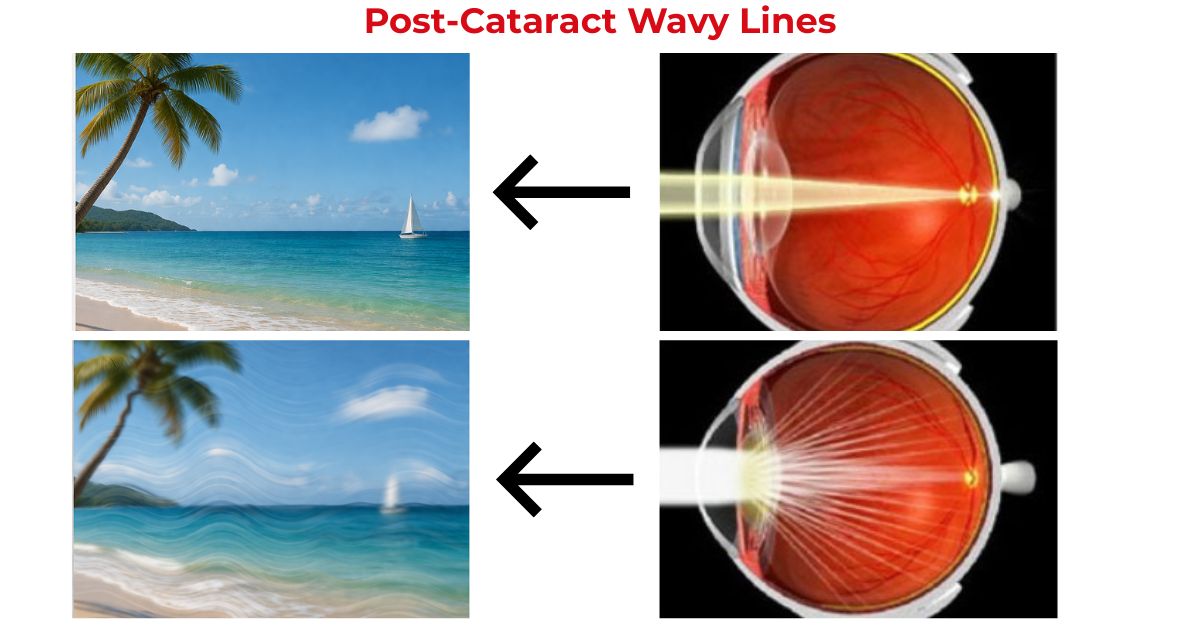
Cataract surgery involves replacing the cloudy natural lens of the eye with an artificial intraocular lens (IOL). The new lens improves clarity, but it may take some time for your eyes to adjust to the changes. Wavy lines in vision, also known as "distorted vision," are a common complaint after cataract surgery. While this is often temporary, it is important to understand the potential causes and know when to seek professional help.
Causes of Wavy Lines After Cataract Surgery
Visual Adjustment to the New Lens
One of the main causes of post-cataract wavy lines is the adjustment process. Your brain needs time to adapt to the new intraocular lens. In the early stages of recovery, this adjustment may lead to visual distortions such as wavy or blurry lines. Over time, the brain typically compensates for these changes, and the visual disturbance fades.
Astigmatism
Astigmatism is a condition where the cornea or lens is irregularly shaped, causing blurred or distorted vision. Although astigmatism is often present before cataract surgery, it can sometimes develop after surgery as well. This new astigmatism can cause wavy lines, and your eye doctor may recommend corrective measures like glasses, contacts, or a follow-up procedure to address the issue.
Swelling or Edema in the Cornea
Swelling in the cornea can occur after cataract surgery, which can temporarily alter your vision. Known as corneal edema, this swelling can distort the shape of the cornea and lead to blurry or wavy vision. It often improves within a few weeks as the eye heals, but in some cases, further treatment may be necessary.
Posterior Capsule Opacification (PCO)
A common condition that can cause wavy or blurry vision months or years after cataract surgery is posterior capsule opacification (PCO). This occurs when the membrane left behind during surgery becomes cloudy, affecting vision. PCO can be treated with a quick and painless laser procedure called YAG laser capsulotomy, which restores clear vision.
Dry Eye Syndrome
Dry eye syndrome is another common issue after cataract surgery. The procedure can disrupt the tear film and lead to dry, irritated eyes. This dryness can cause visual disturbances, including wavy lines. Managing dry eye with prescribed eye drops or other treatments may help alleviate these symptoms.
When Should You Be Concerned?
While mild visual disturbances like wavy lines are common after cataract surgery, there are certain signs that should prompt you to contact your eye doctor.
- Sudden Vision Loss: If you suddenly experience significant vision loss, this could indicate a serious complication such as retinal detachment or infection.
- Severe Pain: Intense eye pain, especially after cataract surgery, is abnormal and could be a sign of infection or other complications.
- Significant Changes in Vision: If the wavy lines persist for more than a few weeks or worsen, it's important to schedule a follow-up with your doctor.
The Role of Follow-Up Appointments
Follow-up appointments with your eye doctor are essential after cataract surgery. These visits allow the doctor to monitor your recovery, check for complications, and address any concerns, including visual disturbances like wavy lines. Regular check-ups ensure that issues such as PCO, corneal edema, or other conditions are diagnosed and treated early.
Consultation for Cataract Surgery in Mumbai
Bombay Hospital and Medical Research Centre, a pillar of medical excellence established in 1952. Located in the heart of South Mumbai, this hospital has set the standard for patient care across various specialties.
Bombay Hospital specializes in a wide range of fields, including Cardiology, Cardiovascular Thoracic Surgery, Endocrinology, Gastroenterology, Nephrology, Neurology, Neurosurgery, Paediatric Surgery, Plastic Surgery, Pulmonary Medicine, Rheumatology, Urology, and Oncology. The hospital's experienced team of specialists, including top Ophthalmologists in Mumbai, is committed to providing personalized care for patients undergoing cataract surgery, ensuring a smooth and successful recovery. Bombay Hospital is considered one of the leading Ophthalmology hospitals in Mumbai, specializing in advanced cataract surgery for optimal results.
To book an appointment, visit Bombay Hospital, 12, Vitthaldas Thackersey Marg, near Liberty Cinema, Marine Lines, Mumbai, Maharashtra 400020, or call +91-22-22067676. For inquiries, contact helpdesk@bombayhospital.com or reach out to marketing@bombayhospital.com for foreign nationals.
FAQs
Yes, mild visual disturbances, including wavy lines, are common after cataract surgery. These should improve as your eyes heal, typically within a few days to weeks.
In most cases, any post-surgery visual disturbances, including wavy lines, resolve within a few weeks. If symptoms persist, contact your eye doctor.
Yes, astigmatism can develop after cataract surgery and may cause wavy or distorted lines. Your eye doctor can assess if corrective treatment is needed.
PCO, also called a secondary cataract, is a common condition that can occur months or years after cataract surgery, causing blurry or wavy vision. It can be treated with a simple laser procedure.
If you experience sudden vision loss, severe pain, or significant changes in your vision, contact your eye doctor immediately.
Conclusion
Seeing wavy lines after cataract surgery is often a normal part of the recovery process, as your eyes adjust to the new lens. While most cases improve over time, it's crucial to stay in touch with your eye doctor and attend follow-up appointments to monitor your recovery. If you experience significant changes in your vision, don't hesitate to reach out for professional advice. With proper care and attention from a skilled Ophthalmologist in Mumbai, your post-surgery experience should lead to clearer, sharper vision.