Visual Snow Syndrome (VSS) is a rare and often misunderstood condition that affects an individual's vision, causing them to see a persistent "visual static," much like the static on a television screen when there is no signal. This phenomenon can have a significant impact on daily life and can be challenging for both patients and healthcare professionals to diagnose. If you are experiencing visual disturbances, consulting an ophthalmologist in Mumbai is crucial for proper diagnosis and treatment. The ophthalmology department at leading hospitals in Mumbai can help you understand the causes, symptoms, and available treatments for this condition. In this blog, we will explore the causes, symptoms, and treatment options for Visual Snow Syndrome, along with expert insights on how to manage this condition effectively.
What is Visual Snow Syndrome?
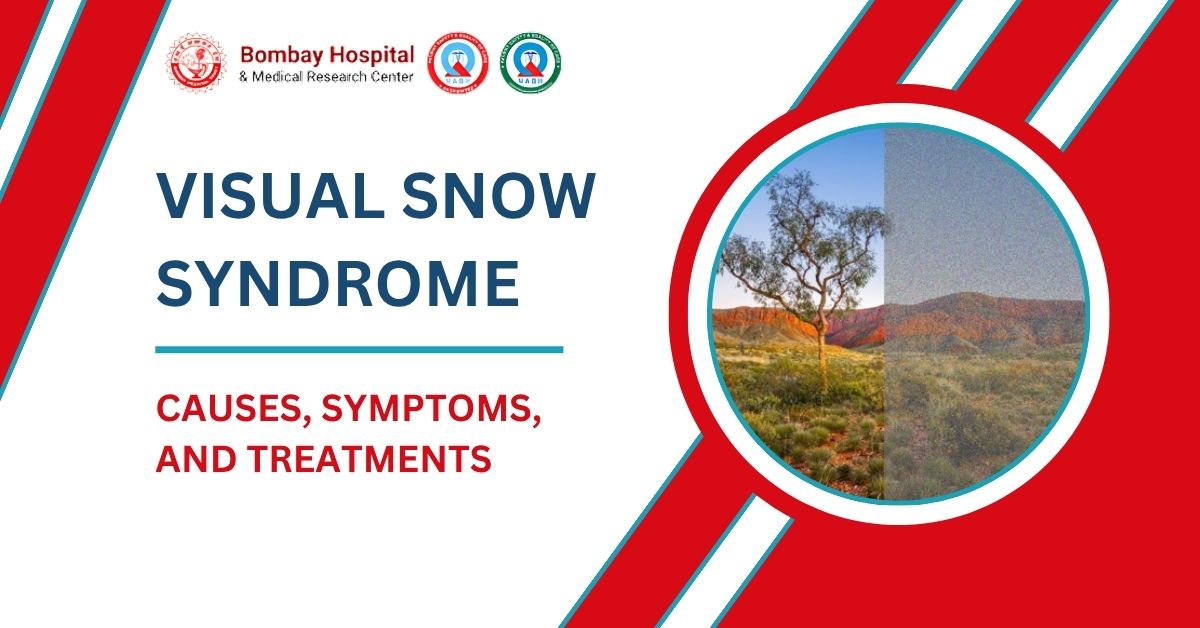
Visual Snow Syndrome is a neurological condition where individuals perceive a constant visual disturbance, often described as "visual static." This can be similar to the "snow" or "static" seen on an old analog TV set that is not tuned to a channel. The visual disturbances can be constant or intermittent, and they typically do not go away over time. People with VSS may also experience other symptoms like migraines, light sensitivity, and afterimages.
Though it is often dismissed as a mere visual inconvenience, VSS can severely impact the lives of those affected, making simple tasks like reading, driving, and even social interactions difficult. It is important to differentiate VSS from other eye conditions, such as floaters or eye strain, to ensure proper diagnosis and treatment.
Causes of Visual Snow Syndrome
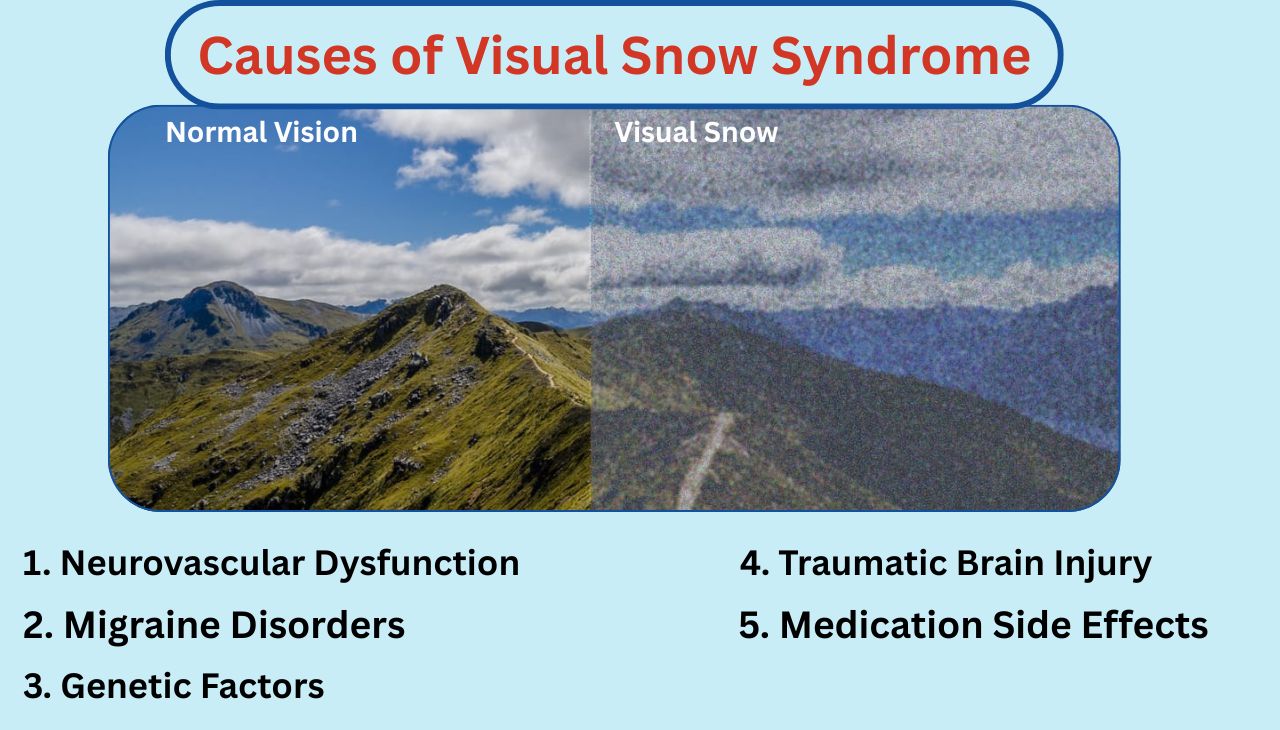
The exact cause of Visual Snow Syndrome is still unknown, but it is thought to be linked to abnormal processing of visual information in the brain. Research suggests that VSS may be related to the following factors:
- Neurovascular Dysfunction: Changes in blood flow to the brain or irregularities in the brain's visual processing pathways may contribute to VSS. Some studies suggest that VSS could be a result of alterations in the brain's visual processing centers, which lead to abnormal perceptions of static or "noise" in the field of vision.
- Migraine Disorders: Many people with VSS also experience migraines, particularly those with visual auras. This connection suggests that the same neurological mechanisms responsible for migraines might also play a role in the development of VSS.
- Genetic Factors: While no specific genetic mutation has been identified, some researchers believe that a genetic predisposition might make certain individuals more susceptible to VSS.
- Traumatic Brain Injury: Some cases of VSS have been linked to head injuries or concussions. It is believed that brain trauma can alter the normal functioning of the brain's visual processing system, leading to visual disturbances.
- Medication Side Effects: Certain medications, particularly those that affect the central nervous system, have been reported to trigger or exacerbate visual snow symptoms. These include antidepressants, antipsychotics, and some anti-seizure medications.
Symptoms of Visual Snow Syndrome
The primary symptom of Visual Snow Syndrome is the persistent presence of visual static or "snow." Other symptoms often associated with VSS include:
- Persistent "Visual Static": The hallmark symptom of VSS is the perception of visual noise, which is often compared to the static on a TV with no signal.
- Migraine-like Headaches: Many people with VSS also experience chronic headaches or migraines, often accompanied by light sensitivity and visual disturbances.
- Light Sensitivity (Photophobia): Individuals with VSS may become extremely sensitive to light, especially bright or flickering lights, making it difficult to be in well-lit environments.
- Afterimages: Some people with VSS report seeing lingering images or "ghosts" of objects they have just looked at.
- Difficulty with Night Vision: The visual disturbances may worsen in low-light conditions, making it harder to see clearly in the dark.
These symptoms can significantly impact a person's quality of life and lead to difficulty performing routine tasks. It's essential to consult an ophthalmologist in Mumbai or a specialist to rule out other conditions that may cause similar symptoms.
Diagnosis of Visual Snow Syndrome
Diagnosing Visual Snow Syndrome can be challenging since there are no definitive tests for the condition. An ophthalmologist in Mumbai, or a neurologist, will typically begin with a thorough medical history and physical examination. They may ask about the patient's symptoms, medical background, and whether there is a family history of migraines or neurological conditions.
Additional diagnostic tests may include:
- Eye Exams: To rule out any underlying eye diseases or conditions that could be contributing to the visual disturbances.
- Neurological Tests: To assess the brain's processing of visual information and check for any neurological abnormalities.
- Imaging Tests: Magnetic Resonance Imaging (MRI) or Computed Tomography (CT) scans may be used to check for any structural brain abnormalities or injuries.
Because Visual Snow Syndrome shares symptoms with other conditions, it is often diagnosed through exclusion, meaning that other potential causes of the symptoms are ruled out first.
Treatment Options for Visual Snow Syndrome
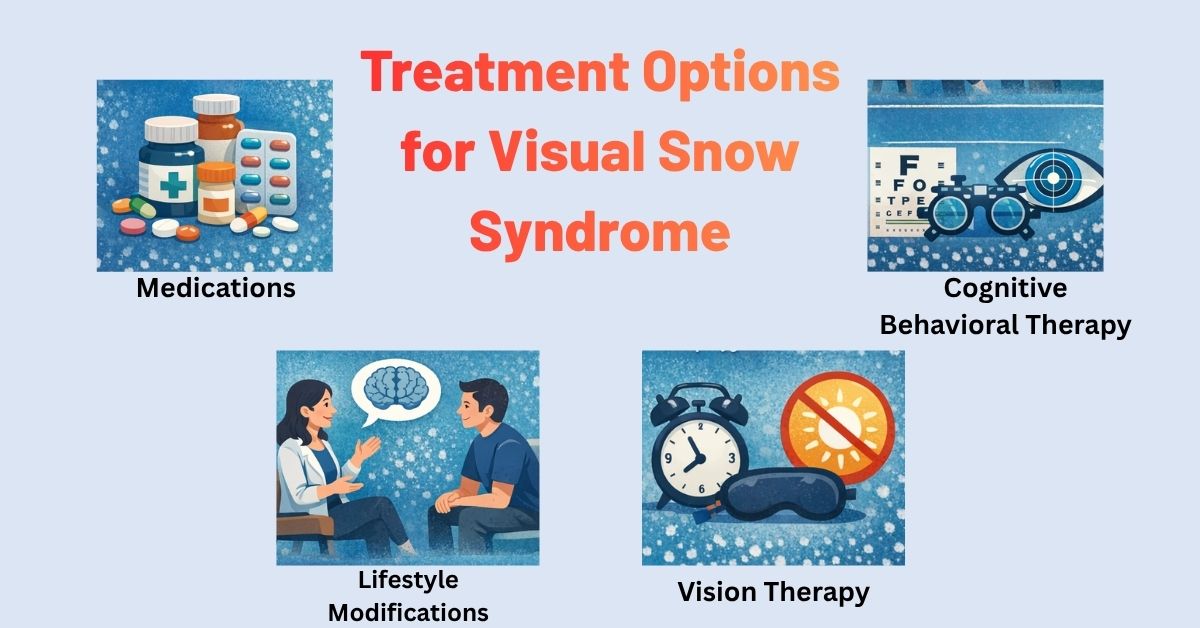
While there is currently no cure for Visual Snow Syndrome, various treatment options can help manage and alleviate symptoms. These treatments focus on symptom management, improving quality of life, and addressing any underlying conditions that may contribute to VSS.
- Antidepressants and Anticonvulsants: Some individuals with VSS find relief from symptoms by taking medications commonly prescribed for migraines or mood disorders, such as selective serotonin reuptake inhibitors (SSRIs) or anticonvulsants like lamotrigine.
- Migraine Medications: Since many people with VSS also experience migraines, medications that target migraine prevention and relief may help reduce visual disturbances.
- Cognitive Behavioral Therapy (CBT): Cognitive behavioral therapy, a form of talk therapy, has been found to be beneficial for some people with VSS. CBT can help individuals manage the emotional and psychological impact of the condition, improving coping mechanisms and reducing stress.
- Managing Triggers: Identifying and avoiding triggers such as bright lights, screens, and stress can help reduce the frequency and severity of visual disturbances.
- Sleep Hygiene: Maintaining a healthy sleep schedule can help reduce the frequency of VSS episodes, as fatigue can exacerbate symptoms.
- Vision Therapy: Some patients may benefit from vision therapy, which focuses on improving visual skills and helping the brain adapt to visual disturbances.
Consultation at Bombay Hospital - Mumbai
Bombay Hospital and Medical Research Centre. Located in the heart of South Mumbai, the hospital has been providing world-class healthcare for over 70 years. Specializing in a variety of fields, including cardiology, neurology, ophthalmology, and pulmonary medicine, the hospital offers cutting-edge diagnostic and treatment services.
If you are experiencing symptoms of Visual Snow Syndrome or other related conditions, consulting an ophthalmologist in Mumbai at the Bombay Hospital could provide you with the expert care you need. To book an appointment, you can contact the hospital at:
FAQs about Visual Snow Syndrome
Currently, there is no cure for VSS. However, various treatments, including medications and lifestyle modifications, can help manage the symptoms.
VSS is often mistaken for other eye conditions like floaters, but it is a neurological condition related to how the brain processes visual information.
Yes, common triggers include bright lights, screen use, stress, and lack of sleep. Identifying and avoiding these triggers can help alleviate symptoms.
While VSS can be disruptive, it does not cause permanent damage to the eyes. However, it can affect a person's quality of life if left untreated.
VSS can affect people of all ages but is most commonly reported in individuals between 20 and 40 years old.
Conclusion
Visual Snow Syndrome, though rare, can significantly affect an individual's quality of life. Understanding its symptoms, causes, and treatment options is crucial for those who suffer from it. If you experience symptoms of VSS, consulting an ophthalmologist in Mumbai is essential for proper diagnosis and treatment. The Bombay Hospital's expertise in neurology and ophthalmology can help guide you toward effective management strategies, improving your overall well-being. Don't hesitate to seek medical advice and take the necessary steps toward better health.