
Neurological Disorders in Children
Common Neurological Disorders in Children and How to Identify Them
Neurological disorders in children can affect their development, learning, and overall quality of life. Early detection plays a critical role in managing these conditions effectively. Many parents may not realize the signs until they become more pronounced. Recognizing the symptoms early can lead to better outcomes. If you notice anything unusual in your child's behavior or development, don't hesitate to consult the best neurologist for guidance and support.
In this blog, we will explore the most common neurological disorders in children, how to identify them, and what steps you can take if you suspect your child needs help.
Autism Spectrum Disorder (ASD)
What It Is:
ASD is a developmental condition that affects how children interact, communicate, and behave. It includes a range of symptoms and severity levels.
How to Identify It:
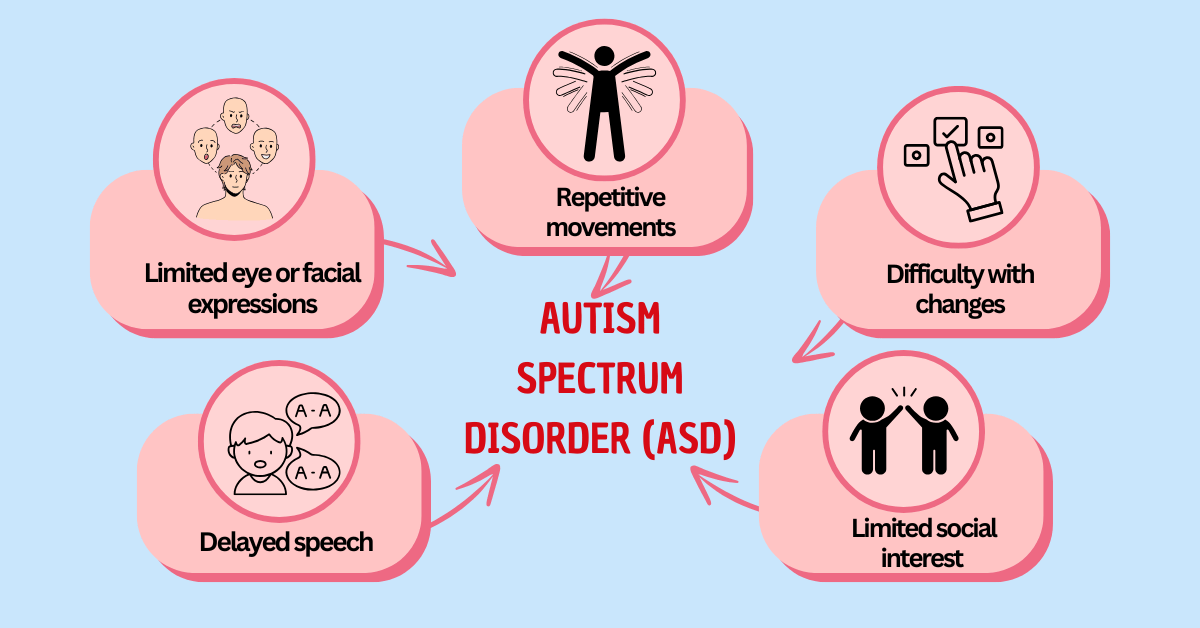
- Delayed speech or language skills
- Limited eye contact or facial expressions
- Repetitive movements like hand flapping or rocking
- Preference for routines and difficulty with changes
- Limited interest in social interactions or play
When to Act:
If your child avoids eye contact, doesn't respond to their name, or shows unusual sensitivity to sound or light, it's time to speak to a pediatric neurologist.
Attention Deficit Hyperactivity Disorder (ADHD)
What It Is:
ADHD is a disorder that affects attention, self-control, and the ability to sit still or focus. It can interfere with school and daily activities.
How to Identify It:
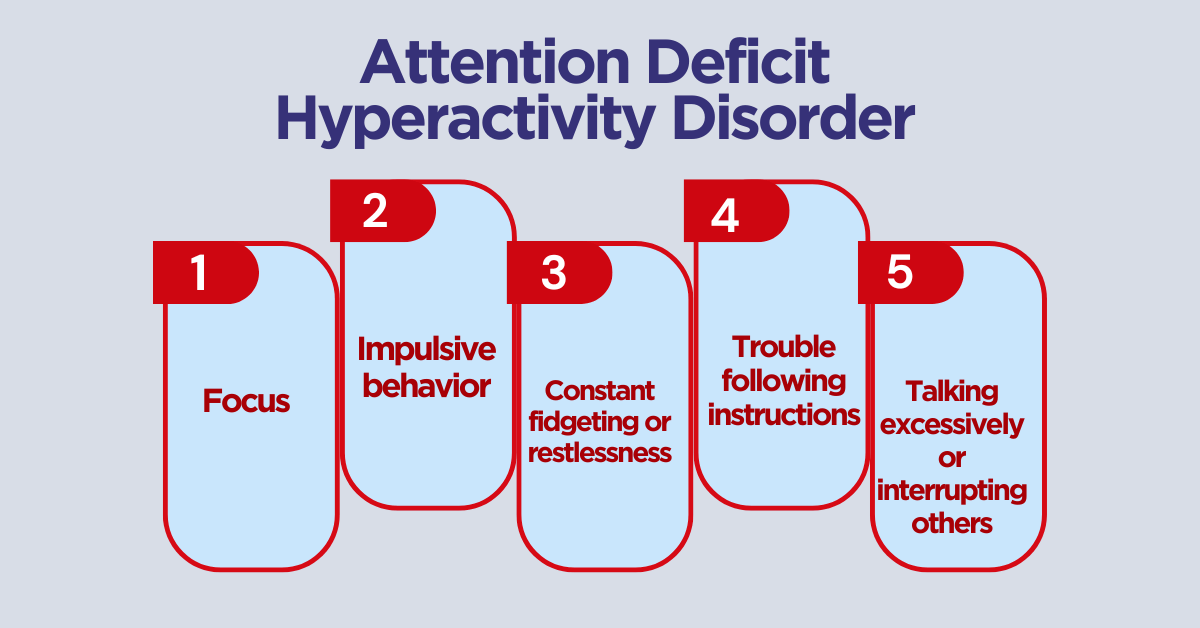
- Difficulty staying focused
- Impulsive behavior
- Constant fidgeting or restlessness
- Trouble following instructions
- Talking excessively or interrupting others
When to Act:
If teachers mention difficulty with focus, behavior, distractibility, or if your child's energy levels seem extreme compared to others, consult a specialist.
Epilepsy
What It Is:
Epilepsy is a brain disorder marked by recurring seizures. Seizures happen when there's abnormal electrical activity in the brain.
How to Identify It:
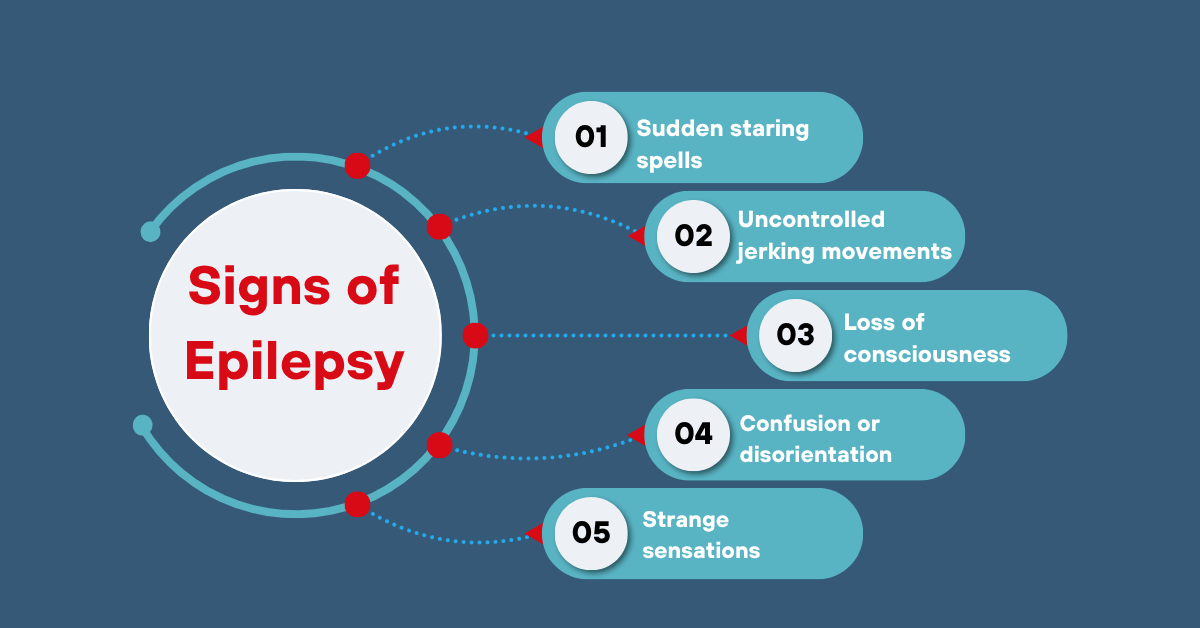
- Sudden staring spells
- Uncontrolled jerking movements
- Loss of consciousness
- Confusion or disorientation after an episode
- Strange sensations like tingling or unusual smells
When to Act:
One seizure doesn't always mean epilepsy, but recurring events need medical attention. Keep a record and consult a doctor immediately.
Cerebral Palsy (CP)
What It Is:
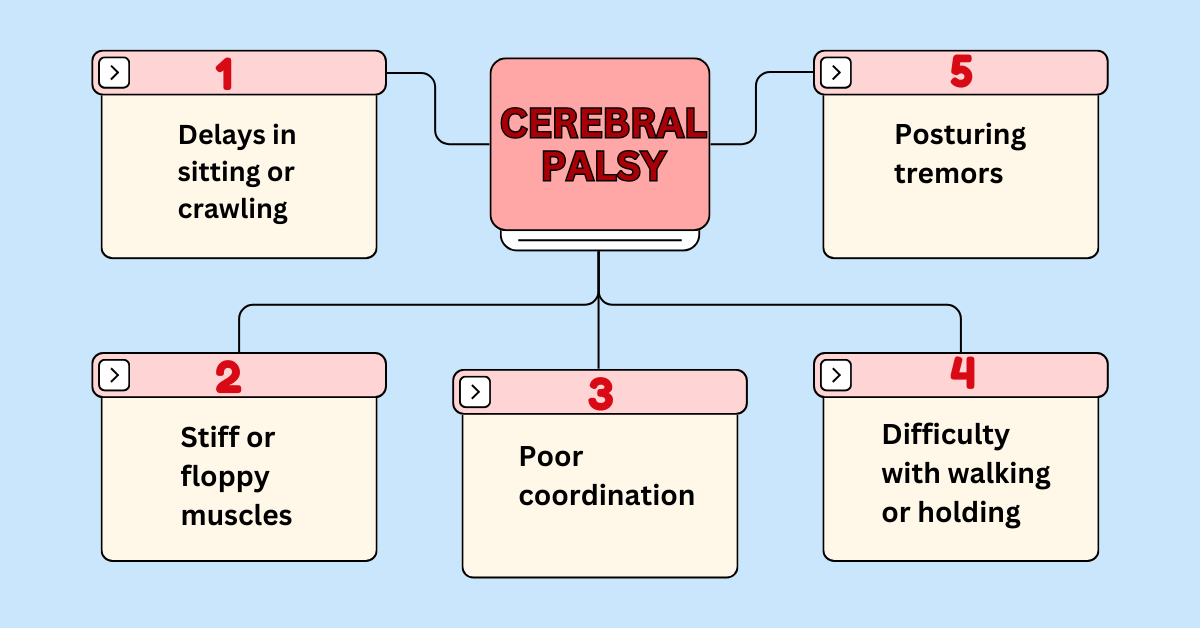
Cerebral Palsy is a group of disorders that affect movement, balance, and posture. It's caused by abnormal brain development or damage before, during, or shortly after birth or history of child not crying immediately after birth or history of no fever
How to Identify It:
- Delays in reaching movement milestones like sitting or crawling
- Stiff or floppy muscles
- Poor coordination
- Difficulty with walking or holding objects
- Muscle spasms or tremors
When to Act:
If your child misses key motor milestones, or if their movements seem rigid or shaky, seek a medical evaluation.
Developmental Delay
What It Is:
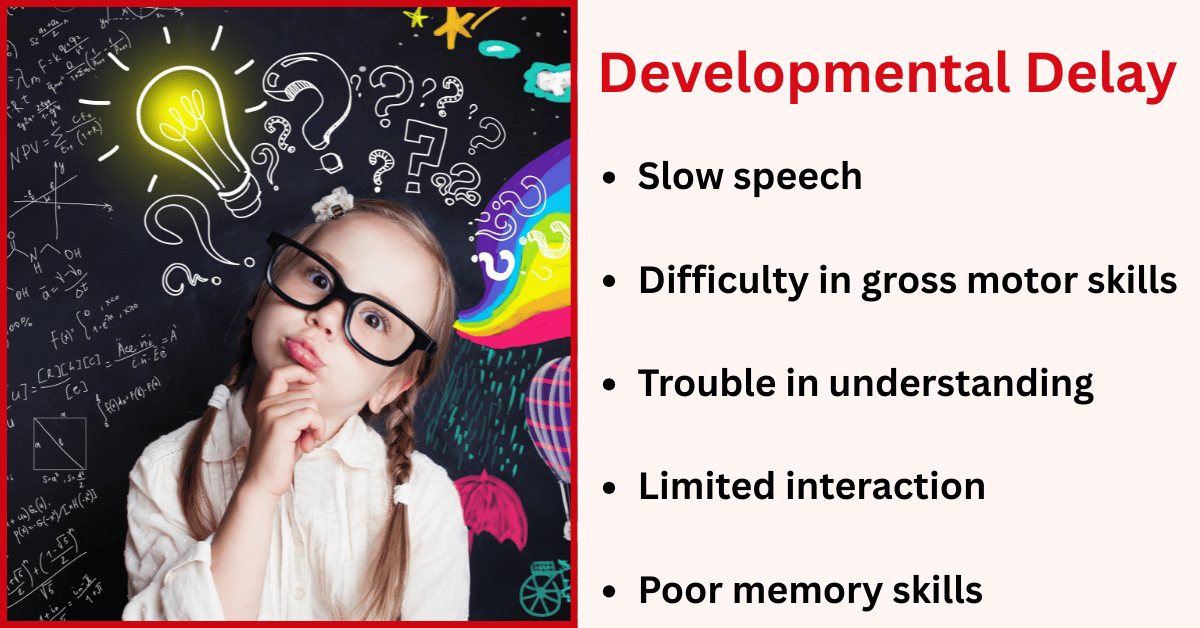
Developmental delay refers to when a child does not reach their developmental milestones at the expected times.
How to Identify It:
- Slow speech and language development
- Difficulty with fine or gross motor skills
- Trouble understanding basic instructions
- Limited interaction or emotional responses
- Poor problem-solving or memory skills
When to Act:
Delays don't always mean a disorder, but consistent gaps across several areas of development should be assessed by a doctor.
Migraine and Pediatric Headaches
What It Is:
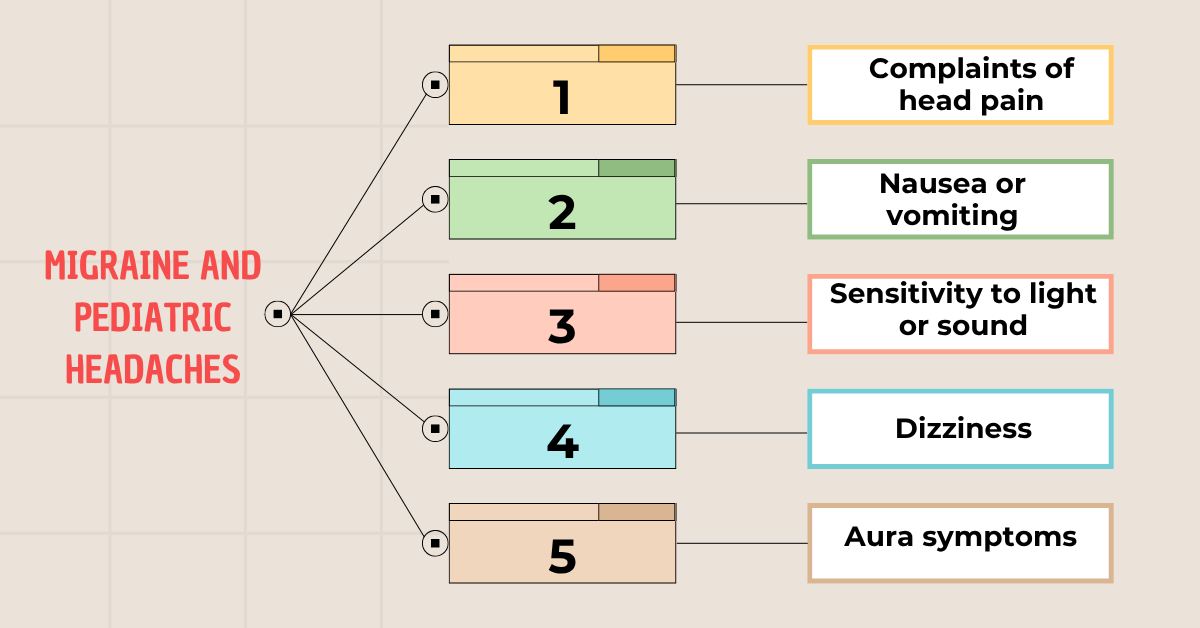
Some children suffer from frequent headaches or migraines that affect their school performance and daily life.
How to Identify It:
- Complaints of head pain usually unilateral
- Nausea or vomiting
- Sensitivity to light or sound
- Dizziness
- Aura symptoms like seeing flashing lights or blind spots
When to Act:
If headaches disrupt school, sleep, or play, or if symptoms escalate quickly, a neurological evaluation is recommended.
Bombay Hospital and Medical Research Centre, established in 1952 by Shri Rameshwardas Birla, stands at the heart of Mumbai, India's medical capital. Specializing in areas like Cardiology, Gastroenterology, Neurology, Urology, Oncology, and more, Bombay Hospital offers expert consultation and advanced care, including routine liver testing and specialized treatment for conditions like cirrhosis and cancer.
You can book an appointment by calling or visiting their official website.
FAQs
Final Thoughts
Children's neurological health is closely linked to their future growth and quality of life. The earlier you spot signs and take action, the better the outcome. Knowing what to look for helps you make informed decisions. If something seems off, don't wait. Trust your instincts and reach out to experts. Support, care, and early treatment can make all the difference in your child's journey.